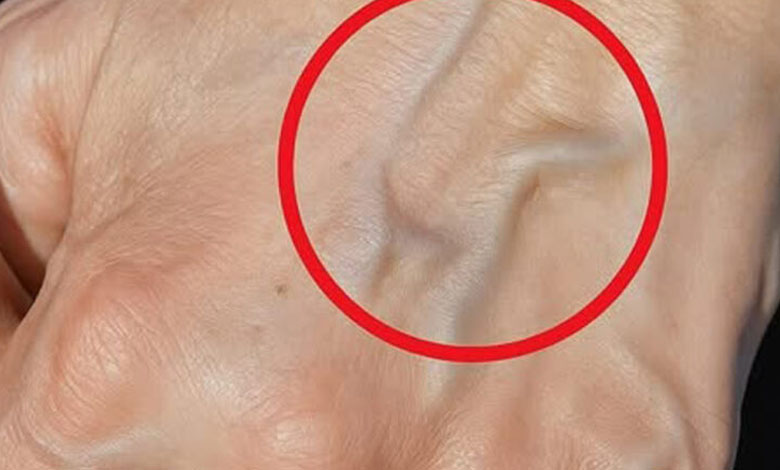
It’s common to notice veins on your hands, arms, legs, or feet and immediately wonder:
Is my circulation bad?
Does this mean something is wrong?
In most cases, the answer is simple: visible veins are normal and do not automatically mean poor circulation.
Let’s break down what’s actually happening.
Why Veins Become Visible
Veins carry blood back to the heart after oxygen has been delivered to your tissues. For many people, veins are naturally noticeable — especially in certain areas of the body.
Here are the most common reasons:
Low body fat
When there’s less fat under the skin, veins are closer to the surface and easier to see. This is especially common in athletes and physically active individuals.
Genetics
Some people simply have thinner or lighter skin. If your parents have visible veins, you likely will too.
Exercise
During workouts, blood flow increases and veins expand slightly. That’s why they look more prominent during or right after physical activity.
Aging
As skin becomes thinner and loses elasticity over time, veins may become more visible — especially on the hands and legs.
Warm temperatures
Heat causes blood vessels to widen, which can temporarily make veins stand out more.
In other words, visible veins are usually a physical trait — not a medical warning sign.
Do Visible Veins Mean Poor Circulation?
Generally, no.
Poor circulation usually causes symptoms such as:
- Persistent swelling
- Cold hands or feet
- Numbness or tingling
- Pain or cramping
- Skin color changes
- Slow-healing wounds
Simply being able to see your veins is not the same thing as having circulation problems.
In fact, clearly visible veins can sometimes reflect healthy blood flow, especially in active individuals.
When Visible Veins Might Signal a Problem
Although most visible veins are harmless, certain vein conditions are different.
Varicose veins
These are enlarged, twisted veins — most often in the legs — caused by weakened valves inside the veins. Symptoms can include aching, heaviness, itching, or swelling.
Chronic venous insufficiency
This occurs when veins struggle to send blood back to the heart efficiently. Over time, it can cause swelling, skin discoloration, or discomfort in the legs.
The key difference?
Problem veins are typically bulging, painful, swollen, or discolored — not just visible.
If you experience ongoing discomfort or swelling, it’s a good idea to consult a healthcare professional.
What Actually Causes Poor Circulation?
Poor circulation can be linked to medical conditions and lifestyle factors such as:
- Smoking
- Diabetes
- High blood pressure
- Blood clots
- Long-term physical inactivity
These issues affect blood vessel function — not simply how visible your veins appear.
Evidence-Based Ways to Support Healthy Circulation
If you want to maintain good circulation, focus on proven habits rather than miracle cures.
Stay hydrated
Drinking enough water supports overall cardiovascular function.
Move regularly
Walking, stretching, and strength training improve blood flow.
Avoid smoking
Smoking damages blood vessels and significantly affects circulation.
Manage blood pressure and blood sugar
If you have hypertension or diabetes, proper medical management is crucial.
Maintain a balanced diet
A diet rich in fruits, vegetables, whole grains, healthy fats, and lean proteins supports heart and vessel health.
About Herbal Remedies
You may hear claims about supplements like cayenne pepper, ginkgo biloba, horse chestnut, garlic, fish oil, ginger, or essential oils improving circulation.
While some of these have been studied for cardiovascular support, none should replace medical treatment, and their effects can vary. Supplements can also interact with medications — especially blood thinners — so it’s important to consult a healthcare provider before starting them.
The Bottom Line
If you have visible veins, it most often means:
- You may have lower body fat
- Your skin may be thinner
- You may be physically active
- Or it’s simply your genetics
It does not automatically mean poor circulation.
The real warning signs of circulation problems involve pain, swelling, numbness, temperature changes, or skin issues — not just appearance.
When it comes to your veins, what you see is usually just normal anatomy doing its job.
There it is.