Former U.S. President Barack Obama recently addressed concerns about the increasingly harsh tone of political discourse following controversy surrounding a social media post shared by Donald Trump. The situation gained widespread attention after a video circulated on Trump’s social media platform, Truth Social, on February 5. The clip included edited imagery showing the faces of Obama and Michelle Obama superimposed onto animated apes dancing to the song The Lion Sleeps Tonight. Critics argued that the imagery echoed historically racist stereotypes that have long been directed toward Black public figures.
The video appeared at the end of a longer post that also referenced disputed claims about the 2020 United States presidential election. Those claims have been rejected by courts and election officials from both major political parties. The clip spread rapidly across social media platforms, prompting criticism from journalists, commentators, and civil rights advocates. Although the video was later removed from Truth Social, screenshots and copies continued circulating online, fueling ongoing debate about political messaging on digital platforms.
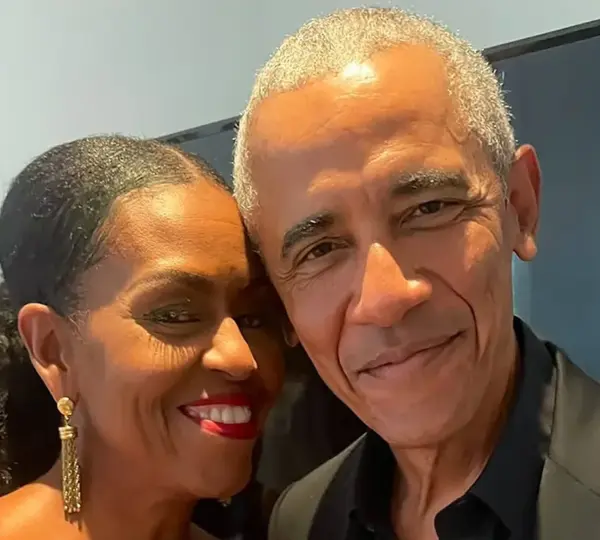
Representatives connected to Trump responded by suggesting that he had not fully reviewed the entire video before it was posted. According to those statements, the president had briefly glanced at the beginning and believed it referenced lighthearted pop culture imagery similar to the animated film The Lion King. Despite those explanations, the post quickly became a focal point in broader discussions about responsibility and rhetoric in modern politics. Even some Republican figures expressed concern about the imagery, including Tim Scott, who described the content as troubling and called for higher standards in political communication.
Obama addressed the broader climate of political discourse during a February 14 conversation with political commentator Brian Tyler Cohen. While he did not directly mention Trump by name during the relevant portion of the discussion, many listeners interpreted his remarks as a response to the controversy. Obama emphasized that most Americans still value respect, decency, and kindness in everyday interactions, even though social media and television debates sometimes present a much harsher tone.
Throughout the interview, Obama argued that democratic societies rely on shared norms such as honesty, accountability, and mutual respect. He suggested that voters ultimately shape political culture by demanding higher standards from leaders and institutions. Despite acknowledging deep political divisions, Obama expressed cautious optimism that many Americans remain committed to democratic principles and civil discourse. According to him, when citizens insist on respectful dialogue and factual information, it can help guide the tone of national conversation.