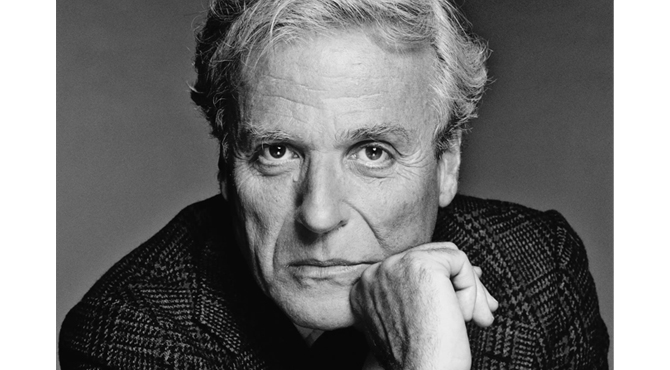
“Nobody knows anything.”
With those four words, William Goldman didn’t just summarize Hollywood — he humanized it. He reminded us that storytelling is an act of faith, luck, craft, and heart. And few writers ever brought more heart, wit, and enduring magic to the screen than he did.
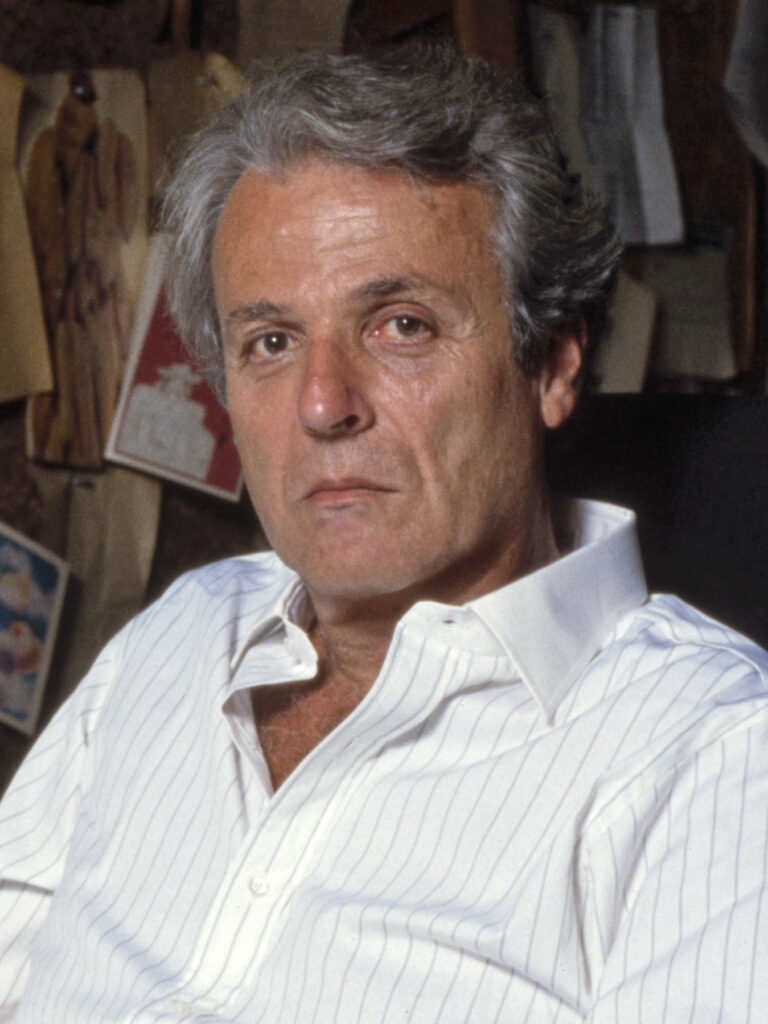
William Goldman, who passed away in 2018 at the age of 87, was more than an Oscar-winning screenwriter. He was a bridge between classic Hollywood and modern cinema, a master craftsman whose words shaped generations of movie lovers, filmmakers, and dreamers.
His work proved that intelligence and entertainment could coexist, that cynicism could live beside romance, and that stories — when told honestly — never grow old.
Goldman’s career reads like a highlight reel of American film history. He won two Academy Awards for Butch Cassidy and the Sundance Kid (1969) and All the President’s Men (1976), scripts that could not be more different in tone yet are equally definitive.
One is a playful, mythic Western that redefined the genre; the other, a razor-sharp political thriller that captured a nation’s loss of innocence. Together, they showcased Goldman’s rare ability to understand both the American dream and the American disillusionment.
But Goldman was never content to be boxed into one style. He moved effortlessly between genres — thrillers (Marathon Man), fantasy (The Princess Bride), war films (A Bridge Too Far), drama (Misery), and satire — always guided by character, rhythm, and clarity.
His writing was lean but rich, witty but grounded, accessible yet smart. He knew when to let dialogue sparkle and when to let silence speak.
For many, The Princess Bride remains his most beloved legacy. Adapted from his own novel, the film has become a cultural touchstone — endlessly quoted, deeply cherished, and passed down across generations.
Beneath its humor and fairy-tale charm lies Goldman’s philosophy of storytelling: sincerity matters, love matters, and stories should be fun without being foolish. Few films have captured joy so effortlessly, or endured so completely.
Beyond the screen, Goldman was also one of Hollywood’s great truth-tellers. His books Adventures in the Screen Trade and Which Lie Did I Tell? pulled back the curtain on the film industry with candor, humor, and humility. He demystified the business without diminishing the magic.
His honesty — often blunt, sometimes brutal — came from love for the craft, not contempt for it. He respected audiences too much to pretend filmmaking was easy, and respected writers too much to pretend it was hopeless.
What made William Goldman truly special was his voice. It was unmistakable: sharp but generous, skeptical but romantic, world-weary yet hopeful.
He understood that heroes could be flawed, that victories could be bittersweet, and that the best stories linger because they tell emotional truths, not just plot mechanics.
Goldman never chased trends. He trusted story. He trusted character. And he trusted that if something moved him, it might move someone else. That faith gave us films that still feel alive — stories that breathe, laugh, argue, and endure.
Today, William Goldman’s words continue to echo in dark theaters, crowded living rooms, and the imaginations of writers who dare to believe in the power of a well-told tale. His legacy isn’t just in awards or box office numbers — it’s in the lines we quote, the scenes we revisit, and the reminder that storytelling, at its best, is an act of generosity.
William Goldman knew that nobody knows anything — except this:
Great stories last forever.