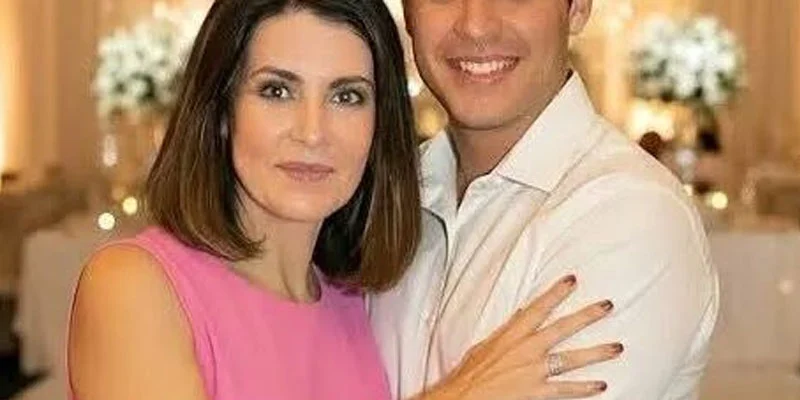
I never imagined the person who gave me life would be the one to orchestrate my greatest heartbreak, but my mother didn’t just break my heart—she stole it. When I caught them together, the world stopped, shattered into a million jagged pieces of betrayal. I was the abandoned daughter, and she was the triumphant bride. Or so I thought. I spent weeks drowning in a sea of rage and questions, convinced they were both villains in my tragic story. But as the truth finally crawled into the light, I realized we were both just pawns in a masterfully constructed game of psychological ruin.
The discovery was instantaneous and violent, tearing down the flimsy narratives we had constructed to justify our pain. She wasn’t the triumphant bride, and I wasn’t merely the abandoned daughter. We were two women who had been expertly manipulated by the same man, trapped in different costumes, isolated in different rooms, and pitted against one another to keep us from seeing the strings he pulled. That realization didn’t magically erase the betrayal that had ripped our family apart; it didn’t heal the wounds of the lies or the hollow ache of his deception. Instead, it fundamentally changed the shape of our conflict. The war we had waged over him—the screaming matches that echoed through empty hallways, the icy silent treatments that lasted for weeks—suddenly felt small, petty, and dangerously misplaced compared to the genuine peril he had quietly built around our lives.
The weeks that followed were a blur of cold, clinical reality. Lawyers and private investigators quickly replaced the raw, emotional exhaustion of our screaming matches. The transition was jarring; one day I was consumed by the visceral agony of seeing my mother in the arms of the man I loved, and the next, I was sitting across from her in a drab, windowless office, reviewing financial discrepancies and predatory documents. It was a surreal nightmare, but it forced a shift in perspective. My mother and I, who had become sworn enemies in the span of a single afternoon, were now forced to sit on the same side of the table. We had to sign the same statements, our hands trembling in unison as we documented his crimes. We were forced to replay the most horrifying messages he had sent to each of us—messages that were calculated to destroy our self-worth and turn us against each other.
Trust didn’t return in a dramatic, cinematic moment. There was no grand apology that could bridge the chasm he had created. It did not come back in a single sweep of forgiveness or a tearful embrace. Instead, trust returned in the quiet, unglamorous acts of choosing each other over the chaos he tried to maintain. It was in the way she handed me a glass of water after a particularly brutal deposition, or the way I stayed up late helping her organize the evidence that would finally ensure his downfall. We stopped asking the questions that kept us stuck in the loop of our past pain. We stopped asking, “Why did you pick him?” or “How could you do this to me?” Instead, we started asking the only questions that mattered for our survival: “How do we get out?” and “How do we keep this from ever happening again?”
Advertisements
Looking back, the toxicity of his influence is staggering. He had managed to isolate us so completely that we couldn’t conceive of a reality where we were allies. He fed me stories about her instability and fed her stories about my resentment. He played on our vulnerabilities, our histories, and our deepest fears. We were so busy fighting the symptoms of his manipulation that we never looked at the source. It is a sobering realization to acknowledge how easily we were turned into enemies by a man who thrived on our destruction.